
Five Minutes to Sharper People Skills
Two Chairs, One Scenario
Timer-Backed Pressure
Reflect, Reset, Repeat
Listening That Lands in Minutes
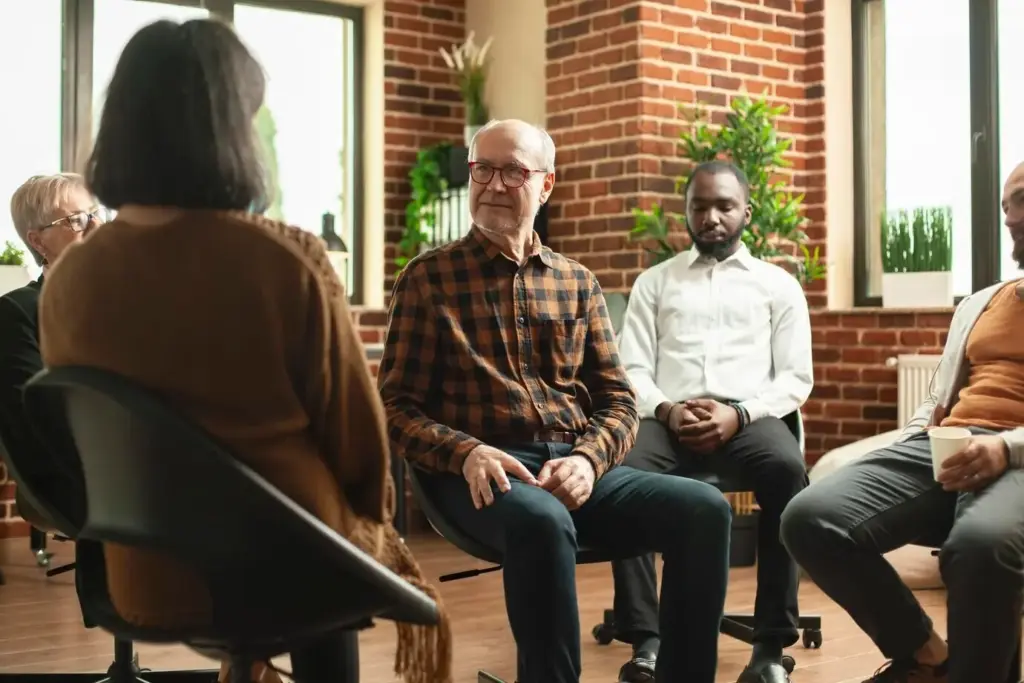
Paraphrase Loop
Curiosity Questions
Silence as a Tool
Conflict in a Coffee Break
01
Name the Need
Each person states, in thirty seconds, the underlying need behind their position: predictability, autonomy, or recognition. Naming needs shifts focus from personalities to solvable design. When stakeholders hear mutual human values, they relax, explore options, and regain momentum instead of defending turf.
02
De-escalation Language
Swap hot words for cooler frames: instead of you always, try the pattern I notice and I feel when. Avoid courtroom cross-examination; invite curiosity. This gentle vocabulary change lowers cortisol, restores dignity, and creates room for agreement without anyone pretending nothing happened.
03
Agreement Anchors
Close with a tiny, testable commitment that both can execute today. Write it down, time-box it, and define success in one line. A well-chosen micro-commitment builds momentum, reduces defensiveness, and turns conflict into a joint experiment everyone can support.

Feedback That Feels Safe Fast
Empathy Sprints for Real People

Remote Collaboration, Rapid and Human
Chat-First Clarity
Before scheduling calls, draft a three-bullet message outlining context, decision needed, and deadline. Invite quick reactions, then decide whether a meeting is necessary. This protects calendars, respects focus, and still moves work. In five minutes, ambiguities shrink and responsibilities become unmistakably visible.
Camera-On Candor
Agree to five-minute video bursts for sensitive moments: resetting expectations, apologizing, or celebrating wins. Seeing faces shortens cycles of misunderstanding and strengthens rapport quickly. You will say less, connect more, and leave with a crisp decision that everyone remembers because it felt human.
Async Alignment Ritual
Adopt a daily two-minute check-in: yesterday’s progress, today’s priority, one blocker. Share in a channel before standup. Patterns emerge fast, allowing managers to unblock quietly while teammates offer peer help. Momentum grows because support appears predictably, not by luck or last-minute heroics.

All Rights Reserved.